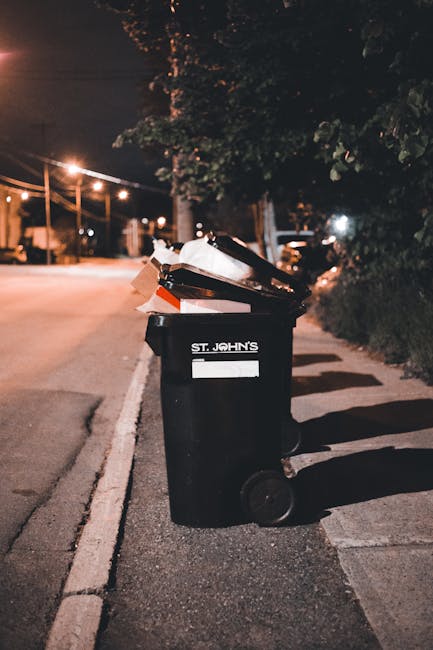
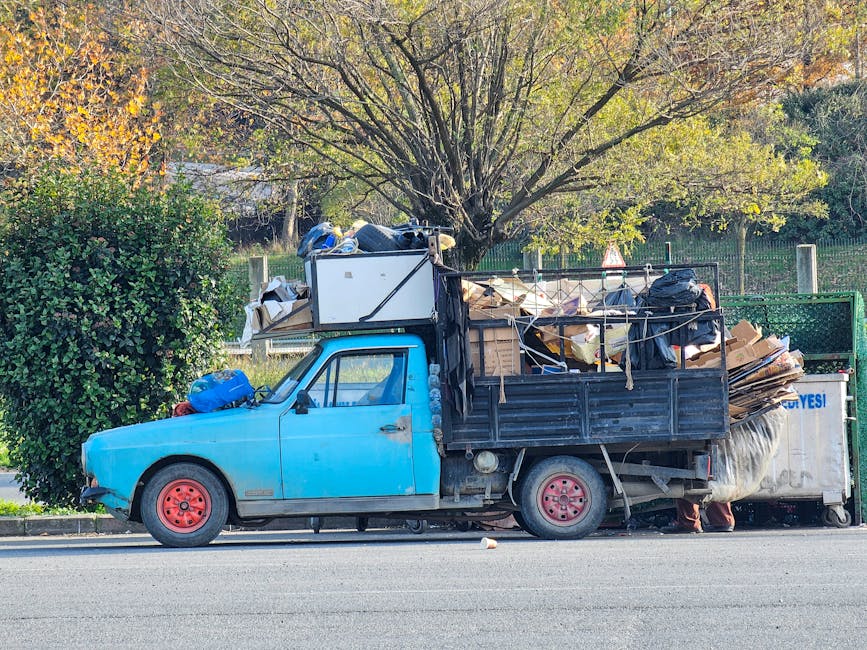
Shepherds Bush rubbish collection tips for W12 flats
Living in a W12 flat can make rubbish feel oddly complicated. One week it is a broken chair, the next it is a pile of cardboard, and suddenly the hallway smells a bit off because the bin store is full again. If you are looking for Shepherds Bush rubbish collection tips for W12 flats, the goal is simple: make waste removal easier, safer, and less stressful without upsetting neighbours, landlords, or building managers.
This guide covers the practical side of flat rubbish collection in Shepherds Bush. You will find storage tips, collection planning advice, compliance pointers, common mistakes, and a simple checklist you can actually use. It is written for real people in real flats. Tight stairwells, shared bin rooms, lift delays, and parking headaches all matter here. Lets face it, that is the W12 experience for many residents.
If you need help with larger or awkward items, it can also make sense to look at professional rubbish collection or more targeted services such as flat clearance and furniture disposal. The right approach depends on the size of the load, the access in your building, and how quickly you need it gone.
Key idea: the best rubbish collection plan for a W12 flat is rarely about one big clear-out. It is usually about small habits, better timing, and choosing the right removal method before clutter becomes a problem.
Table of Contents
- Why Shepherds Bush rubbish collection tips for W12 flats Matters
- How Shepherds Bush rubbish collection tips for W12 flats Works
- Key Benefits and Practical Advantages
- Who This Is For and When It Makes Sense
- Step-by-Step Guidance
- Expert Tips for Better Results
- Common Mistakes to Avoid
- Tools, Resources and Recommendations
- Law, Compliance, Standards, or Best Practice
- Options, Methods, or Comparison Table
- Case Study or Real-World Example
- Practical Checklist
- Conclusion
- Frequently Asked Questions
Why Shepherds Bush rubbish collection tips for W12 flats Matters
W12 flats come with a specific set of waste challenges. Shared entrances, limited storage space, busy streets, and communal bins can turn a simple bin day into a minor logistical puzzle. If you miss the rhythm of collection, rubbish builds up quickly. A single missed run can mean overflow, odours, pests, and complaints from neighbours who are understandably fed up.
Good collection habits matter for more than appearances. They help protect fire escapes, keep corridors clear, and reduce the chance of waste being left in communal areas. In a flat block, one person leaving bags in the wrong place can create a mess for everyone. That is why many residents in Shepherds Bush start looking for a proper routine rather than waiting until the bin room is at breaking point.
There is also a practical money side. Small, planned collections are usually easier to manage than emergency clearances after clutter has piled up for months. A bit of organisation often saves a headache later. Truth be told, most rubbish problems in flats start with delay, not volume.
For landlords, agents, and tenants alike, a clean and predictable waste setup keeps the property more liveable. If your building has recurring issues, a broader service such as waste collection or rubbish clearance may be more effective than trying to solve it item by item.
How Shepherds Bush rubbish collection tips for W12 flats Works
Rubbish collection for flats usually works best when you treat it as a system, not an afterthought. That system has three parts: sorting, storing, and removing waste at the right time. In a house, you might put bins out in the front garden. In a flat, you are often dealing with shared spaces, multiple neighbours, and building rules. Different game entirely.
First, sort your waste into sensible streams. General waste, recycling, bulky items, and anything potentially hazardous should not all be handled the same way. That sounds obvious, but in practice people often bundle everything together because they are in a rush. That usually creates extra work later, especially when cardboard is flattened badly or food waste is left in bags with dry rubbish.
Second, store rubbish safely before collection. Bags should be sealed, items should not block corridors, and anything sharp or messy should be wrapped properly. If you live on an upper floor, think about the path from your front door to the bin area before you lift anything heavy. One awkward turn on a narrow staircase can be enough to tear a bag open. Lovely.
Third, remove waste in the least disruptive way possible. Sometimes that means using your building's communal bin store. Sometimes it means arranging a one-off collection for awkward items, such as an old wardrobe, mattress, or sofa. For larger jobs, options like waste removal or sofa removal are usually more sensible than trying to carry everything down yourself.
The process works better when you think ahead by a day or two. If a collection is planned for Friday morning, put your bags out at the right time and keep bulky items inside until the agreed pickup. In busy blocks, timing is half the battle.
Key Benefits and Practical Advantages
There are some very real advantages to getting rubbish collection right in a W12 flat. The obvious one is less mess. The less obvious one is how much calmer the building feels when waste is handled well. You notice it in small ways: no strange smell by the lift, no bags leaning against the wall, no cardboard drifting into the entrance on a windy afternoon.
- Cleaner shared spaces: hallways, bin stores, and entrances stay easier to maintain.
- Fewer neighbour disputes: people are less likely to complain when waste is managed properly.
- Lower pest risk: sealed, timely disposal reduces attractants for vermin and insects.
- Better fire safety: keeping escape routes free of rubbish matters in any flat building.
- Less stress during moves: move-outs and refurbishments are smoother when waste is already under control.
- More efficient use of space: small flats benefit hugely when clutter does not build up.
There is also a mental benefit that people underestimate. A cluttered flat can feel heavier to live in. Clearing out old packaging, unwanted furniture, or renovation offcuts often makes a room feel bigger overnight. Not magic, just less stuff.
When a flat needs more than a standard bag-and-bin routine, a broader service like waste clearance or rubbish removal can simplify the whole thing in one go.
Who This Is For and When It Makes Sense
This advice is useful for tenants, homeowners, landlords, letting agents, and building managers in Shepherds Bush. If you live in a W12 flat with limited storage, you will recognise the problem immediately. If you manage a block, you probably see the same issues repeated after moving days, refurbishments, or weekend clear-outs.
It makes sense when:
- your flat has no outdoor storage area;
- the communal bin store fills up too quickly;
- you are replacing furniture or appliances;
- you are moving out and need to leave the place tidy;
- you are handling renovation waste from a small project;
- you want to avoid leaving bags outside in the wrong place;
- you need a one-off pickup rather than a recurring contract.
It also makes sense if you are dealing with mixed household waste and want a cleaner way to deal with it. A lot of people wait until the pile becomes obvious. By then the job is more annoying than it needed to be. Better to act earlier, honestly.
For bigger property clear-outs, services such as home clearance or house clearance can be a practical next step, especially if a flat contains a mix of furniture, bags, and unwanted items.
Step-by-Step Guidance
Here is a simple way to handle rubbish collection in a W12 flat without making a mess of your day.
- Identify the waste type. Separate general rubbish, recycling, bulky items, and anything that may need special handling.
- Check your building rules. Some blocks have set bin days, collection windows, access codes, or restrictions on where items can be left.
- Flatten and bundle where sensible. Cardboard boxes should be collapsed; loose packaging should be bagged so it does not scatter.
- Keep walkways clear. Never leave rubbish in hallways, stairwells, or by fire exits, even "just for a minute".
- Wrap awkward items properly. Broken glass, mirrors, or anything sharp should be secured so it does not injure anyone.
- Move heavy items safely. Use a second person for larger furniture. If an item feels awkward, it probably is.
- Book removal before the pile grows. If you have a sofa, mattress, or multiple bags, arrange collection early rather than waiting until the weekend panic.
- Confirm pickup timing. In flats, timing matters because access is sometimes limited and communal storage gets busy fast.
A useful rule: if the item would be a pain to drag down stairs alone, it is probably a candidate for professional collection. That is especially true in older Shepherds Bush buildings where staircases are narrow and lifts are, to be fair, not always your friend.
If you are dealing with renovation waste from a small room refresh, look at builders waste. If you are clearing a workspace rather than a home, office clearance may be more suitable.
Expert Tips for Better Results
In our experience, the best results come from small habits that stop waste becoming urgent. Here are the details most people miss.
1. Plan around building access, not just collection day
In flats, access can be the real bottleneck. A lift may be busy in the morning. A bin store may be locked. A narrow stairwell may make a bulky item awkward to carry. Think about how the item gets from your door to the collection point, not just when it gets there.
2. Keep one "ready to go" area inside the flat
If you have a cupboard corner, utility space, or hallway niche, use it for bagged waste that is sealed and waiting. That helps prevent people from stacking bags by the front door, which is never ideal in a shared building. Small habit, big difference.
3. Separate bulky disposal from ordinary weekly waste
Do not mix a broken chair with your normal bin bags if you can avoid it. Bulky waste often needs different handling, and dragging it in and out of the same storage area creates extra friction for everyone. A dedicated pickup is usually cleaner and faster.
4. Use furniture-focused disposal for single items
If the main problem is one sofa, bed frame, or wardrobe, a specialist pickup often makes more sense than trying to squeeze it into a general rubbish run. Services like furniture disposal can be the neatest solution.
5. Photograph the pile before collection
This is a simple one, but useful. A quick photo helps you remember what is going, helps confirm the volume, and avoids misunderstandings if multiple people share the flat. Handy if someone later says, "I thought that box was staying."
6. Leave a small buffer before move-out
If you are leaving a flat, do not book rubbish collection for the absolute last minute. Give yourself a buffer of a day or two. Keys get lost, traffic happens, access codes fail, and suddenly the best-laid plan is wobbling.
Common Mistakes to Avoid
A lot of waste problems in W12 flats are avoidable. The same mistakes appear again and again.
- Leaving bags in hallways: this blocks shared routes and can breach building rules.
- Overfilling bags: split bags are messy, heavy, and annoying to carry down stairs.
- Ignoring bulky items: one sofa left too long can dominate a room and delay everything else.
- Mixing sharp waste with general rubbish: this creates a safety risk for anyone handling the bags.
- Waiting until the bin store is full: once that happens, collections become much harder to manage.
- Forgetting access issues: if a collector cannot get in, the job stalls and costs time.
- Assuming every item can go out the same way: some waste needs separate handling or a different service.
Another common slip is underestimating how long a clearance takes. A small flat can still generate a surprising amount of waste once you start sorting cupboards, shelving, and forgotten corners. It happens fast. One minute you are clearing a shelf, next minute there are twelve bags and a broken desk lamp on the floor.
If you are dealing with mixed waste that does not fit the normal routine, rubbish clearance and waste disposal are worth considering rather than forcing everything into a standard bin-day approach.
Tools, Resources and Recommendations
You do not need much equipment, but the right few items make flat rubbish collection easier and cleaner.
| Tool or item | Why it helps | Best use in a W12 flat |
|---|---|---|
| Strong bin bags | Reduce tearing and leaks | General household waste and mixed bagged rubbish |
| Marker pen or labels | Makes sorting clearer | Move-outs, shared flats, and bulky item separation |
| Foldable trolley | Helps move medium-weight items | Boxed rubbish, small appliances, or bundle transport |
| Protective gloves | Improves grip and safety | Sharp packaging, broken items, or dusty clear-outs |
| Sturdy tape | Secures boxes and wraps | Cardboard, loose cords, and awkward packaging |
| Old sheet or blanket | Protects floors and lifts items better | Furniture moves and stairwell handling |
For many households, the practical question is not "Can I move it?" but "Should I move it myself?" If the item is large, heavy, or awkward, professional help can save time and reduce the risk of damage. That is particularly true for sofa disposal, large wardrobes, and combined flat clear-outs.
Where a broader tidy-up is needed, garage clearance and waste removal can be useful reference points for the kind of service structure that helps when waste is not just one bag, but a mixed lot.
Law, Compliance, Standards, or Best Practice
Waste handling in flats is not only about convenience. There are also practical standards and common-sense expectations around safety, access, and responsible disposal. You do not need to become a legal expert, but you should work within your building rules and avoid leaving waste in places that could create hazards or nuisance.
In general, good practice means:
- keeping fire escapes and shared corridors clear;
- not leaving rubbish where it could block access for neighbours or staff;
- securing sharp or broken items;
- handling waste in a way that does not cause spillages or smells;
- using the correct collection route for bulky or mixed waste;
- checking what your landlord or building manager expects for communal bin use.
If you are responsible for a rented flat, it is sensible to leave it in a clean, uncluttered condition at move-out. That is both courteous and practical. For commercial or mixed-use situations, the standards can be stricter, so it may be better to arrange a formal collection through business waste if the waste is being generated by a workplace or business activity.
Best practice also means being honest about what you are dealing with. If there are items with stains, breakage, damp, or heavy contamination, say so upfront when arranging collection. It saves everyone time and avoids awkward surprises on pickup day. Nobody wants that.
Options, Methods, or Comparison Table
There is no single best method for every W12 flat. The right choice depends on volume, urgency, access, and item type. Here is a simple comparison to help you decide.
| Method | Best for | Pros | Trade-offs |
|---|---|---|---|
| Normal bin use | Routine household waste | Simple, low effort, built into the building routine | Not suitable for bulky or high-volume waste |
| DIY carrying to collection point | Small, manageable loads | Immediate, flexible, no booking needed | Can be tiring, awkward, and risky with heavy items |
| One-off rubbish collection | Mixed rubbish or several bags | Convenient, less disruption, handles more volume | Needs scheduling and access coordination |
| Flat clearance | End of tenancy, decluttering, or a big reset | Covers many item types in one visit | Usually more involved than a simple collection |
| Specialist furniture pickup | Sofas, beds, wardrobes | Best for bulky single items | Not ideal for lots of small mixed waste |
If you are trying to decide between options, ask yourself one question: do I need to move a few bags, or do I need to reset the whole flat? That answer usually makes the choice clearer.
Case Study or Real-World Example
A typical Shepherds Bush flat scenario goes like this. A tenant in a two-bed W12 apartment is moving out on a Friday afternoon. Over the years, a spare chair, two broken shelves, old packaging, and a tired sofa have been pushed into the second bedroom. Nothing dramatic, just the usual slow build-up. By Tuesday, the room looks smaller than anyone remembered.
The first instinct is often to do it all at once on the last night. Bad idea, usually. Instead, the tenant sorts the waste into three groups: bagged rubbish, reusable items to keep, and bulky furniture to remove separately. The bags are stacked neatly, the cardboard is flattened, and the sofa is booked for pickup rather than wrestled down the stairs.
Because the building has a shared bin area and limited lift access, the collection is timed for a quieter morning slot. The result? No blocked corridor, no grumbling from neighbours, and the flat is left in far better shape. The whole thing feels much less chaotic than a last-minute scramble. A small win, but a real one.
That kind of approach is exactly why people search for Shepherds Bush rubbish collection tips for W12 flats in the first place. The practical answer is usually not fancy. It is planning, timing, and choosing the right service for the job.
Practical Checklist
Use this before your next collection or clear-out.
- Sort waste into bags, recycling, and bulky items.
- Check building rules for bin store access and collection times.
- Flatten cardboard and secure loose packaging.
- Wrap sharp or broken items safely.
- Keep all rubbish out of corridors and fire exits.
- Measure oversized furniture against stairwell or lift access.
- Book specialist help if the load is too heavy or awkward.
- Confirm who will be home for access, if required.
- Leave a little buffer time before move-out or inspection.
- Do one last sweep for hidden rubbish under beds, behind sofas, and in cupboards.
Quick reminder: if the job looks like it will take longer than an hour and includes bulky items, you may be better off arranging a proper clearance rather than trying to force a quick DIY fix.
Conclusion
Good rubbish collection in a W12 flat is really about making life easier on yourself and everyone else in the building. Keep waste sorted, stay ahead of bulky items, and think about access before you move anything heavy. Those small choices add up. A lot.
Whether you are clearing one room, dealing with a move-out, or just trying to stop the bin area from turning into a problem spot, the same principles apply: plan early, keep shared areas clear, and use the right collection method for the job. If the waste is bigger than a few bags, it is often worth getting help from a service designed for flat living rather than struggling through it alone.
If you need a simple next step, start by reviewing the items you want gone, deciding what can stay, and choosing the collection method that fits your flat and your timeline. Calm beats chaos every time. Even on a rainy Tuesday in Shepherds Bush.
Get a free quote today and see how much you can save.
And if you handle it one sensible step at a time, the whole place can feel lighter by evening. That is the nice part, really.
Frequently Asked Questions
What is the best way to manage rubbish in a Shepherds Bush flat?
The best approach is to sort waste early, keep bagged rubbish sealed, avoid blocking communal areas, and book a specialist collection for anything bulky or awkward. A bit of planning goes a long way in W12 flats.
How often should rubbish be removed from a flat?
Ideally, before it starts building up. For weekly household waste, follow your normal bin routine. For bulky items or a move-out, arrange removal as soon as you know the waste will not fit the standard bins.
Can I leave rubbish in a communal hallway for collection later?
No, not if it blocks access or breaches building rules. Shared hallways and fire routes should stay clear. If you need storage before pickup, keep waste inside your flat until collection time.
What should I do with a sofa or bed frame in a W12 flat?
Use a dedicated furniture disposal or sofa removal service. These items are usually too large and awkward for normal bin routes, especially in flats with narrow stairs or limited lift access.
Is flat clearance different from regular rubbish collection?
Yes. Rubbish collection is usually for bagged waste or a defined load, while flat clearance is better for bigger jobs involving mixed items, furniture, and clutter from multiple rooms.
How can I avoid making a mess during collection day?
Bag items properly, flatten cardboard, wrap sharp waste, and keep a clear route from your flat to the exit. If possible, move items in stages so you are not carrying everything at once.
What if my building bin store is already full?
Do not leave bags beside the bins unless the building specifically allows it. If the store is full, wait for the next collection or arrange a separate pickup for overflow or bulky waste.
Do I need to separate recycling from general rubbish?
Yes, as much as possible. Mixing waste makes disposal less efficient and can create issues in communal bin stores. Separate cardboard, bottles, and packaging where you can.
When should I book professional rubbish removal instead of doing it myself?
Book professional help if the waste is heavy, bulky, time-sensitive, or difficult to move through a flat building. If you are unsure, a quick assessment of item size and access usually tells you the answer.
What types of waste are hardest to manage in flats?
Large furniture, broken appliances, renovation offcuts, and mixed clear-out waste are the hardest because they take up space and are awkward to carry. These often need a more structured removal service.
Can landlords or agents arrange waste clearance for a tenant move-out?
Yes, and it is often the neatest option when a flat needs to be left clean quickly. Services such as house clearance or waste clearance are useful when the waste is spread across several rooms.
How do I choose between waste disposal and waste removal?
Waste removal usually refers to collecting and taking away the items. Waste disposal is the broader process of handling where the waste ends up afterwards. In everyday use, people often use the terms interchangeably, but the service you need is usually the pickup itself.