How to get permits for bulky waste collection from Ealing council
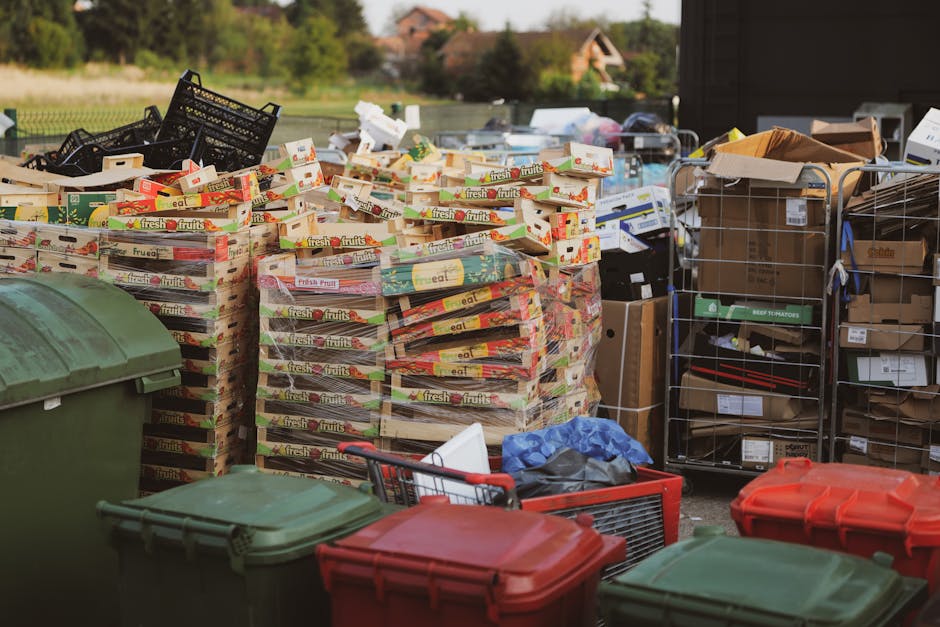
If you are trying to clear a sofa, mattress, wardrobe, fridge, or a pile of awkward items from a flat, driveway, or front garden, the permit question can quickly become the annoying bit. In practice, How to get permits for bulky waste collection from Ealing council is about knowing what counts as bulky waste, whether you need council approval, and which collection route is actually appropriate for your situation. It sounds simple enough. Then you start comparing skips, parking restrictions, council rules, and the reality of moving a heavy chest of drawers down three flights of stairs. Bit of a faff, frankly.
This guide breaks the process down in plain English. You will learn when a permit may be needed, how the council route usually works, what documents and details to have ready, and where people trip up. We will also cover alternative options, compliance points, and a sensible checklist so you can move forward without wasting time.
Why How to get permits for bulky waste collection from Ealing council Matters
Bulky waste is one of those jobs that looks easy until you are halfway through the hallway with a scratched wardrobe and a door that will not quite open. That is where knowing the permit process matters. In many cases, the issue is not just disposal; it is the method of disposal. If you are placing items on the public highway, arranging a vehicle-based collection, or using a skip or container, permits and permissions can come into play.
For Ealing residents and businesses, getting this right helps you avoid delays, complaints from neighbours, and avoidable fines or enforcement problems. It also helps you choose the right service from the start. Sometimes a council bulky waste arrangement is perfectly sensible. In other situations, especially for larger clearances, a full rubbish removal service or a more tailored waste collection approach may be more practical.
There is another reason this matters: bulky waste often includes mixed materials. A broken sofa, old cabinet, and some DIY offcuts are not all handled the same way. If you misclassify the load, you can end up with a collection that is delayed or refused. Not ideal when the item is blocking the porch and you were hoping to be done by lunch.
How How to get permits for bulky waste collection from Ealing council Works
At a high level, the process usually starts with identifying what you need to remove and where it will be placed for collection. If items are being left on private land, the permit question may be different from items being placed on a street or in a shared access area. If a vehicle, skip, or loading container will occupy public space, an approval or permit is typically the thing to check first.
The practical workflow is usually something like this:
- List the items and estimate their size, weight, and access difficulty.
- Decide whether you need a council collection, a private clearance, or a temporary placement on the road.
- Check whether any permit, licence, or prior approval is needed for the chosen method.
- Prepare the details: location, dates, collection timing, and contact information.
- Submit the request through the relevant council or service process.
- Wait for confirmation before placing anything on the highway or arranging delivery.
That last point is the one people miss. Do not assume the paperwork is just a formality. If a permit is needed, the approval is what makes the arrangement lawful. Until it is confirmed, the collection is not really ready. Simple, but easy to overlook when you are eager to get rid of the pile in the spare room.
For some jobs, the better route is not a permit at all but a managed collection with loading handled by a clearance team. That can reduce the chance of access issues, parking problems, and unexpected back-and-forth with the council. If your bulky items sit alongside general household clutter, you may also want to look at broader services such as home clearance or house clearance.
Key Benefits and Practical Advantages
Getting the permit or collection route right has a few concrete benefits, and they are not just administrative. First, it keeps the job compliant. Second, it saves time. Third, it lowers the risk of needing a second attempt because access was wrong or the collection could not be carried out safely.
There is also a quieter benefit: less stress for you and the people around you. If you have ever seen a sofa stuck in a stairwell at 7:30 in the morning, you know exactly what I mean. A clean process avoids noise, frustration, and that awkward moment when a neighbour asks whether the bulky waste is definitely being moved today.
- Reduced delay: planning the correct permit route helps avoid last-minute issues.
- Better cost control: you are less likely to pay twice for failed access or wrong booking type.
- Safer handling: licensed removal or careful council collection reduces lifting and moving risks.
- Less disruption: the right route means fewer complaints about blocked access or pavement clutter.
- Cleaner compliance: especially important if items include mixed household, garden, or DIY waste.
If you are clearing more than just one or two objects, a broader service like waste clearance can be more efficient than trying to piece together several separate arrangements. Truth be told, one coordinated visit often beats three small ones.
Who This Is For and When It Makes Sense
This topic is relevant if you are a homeowner, tenant, landlord, letting agent, property manager, builder, or business owner in Ealing. It is especially useful where bulky waste is too big for standard bins, too heavy to carry yourself, or too awkward to take directly to a recycling site without a vehicle.
It makes sense to think about the permit side of things when:
- you need to place items on a public road or pavement for pickup;
- a skip, cage, or loading bay arrangement may block access;
- you are dealing with multiple large items after a move, refurbishment, or office change;
- the items are part of a mixed load and you want one coordinated removal;
- you are in a flat or converted property with awkward access and limited parking.
For people in apartments, permits can matter even more. A collection may be perfectly straightforward in theory, but if the lift is tiny and the only loading point is at the back of the building, the real-world plan changes quickly. That is why services such as flat clearance and furniture disposal often fit better than a do-it-yourself approach.
Step-by-Step Guidance
If you want a tidy, low-drama process, follow a simple sequence. The aim is to avoid guesswork. You do not need to overcomplicate it.
- Identify the bulky waste. Write down exactly what needs collecting. Include items like sofas, beds, wardrobes, cabinets, large appliances, garden furniture, and similar oversized pieces.
- Check the location. Decide whether the items will sit on private land, in a shared communal area, or on the public highway. This is usually the biggest factor in whether permission is needed.
- Separate bulky waste from other waste streams. Builders' rubble, business refuse, green waste, and household furniture can fall into different routes. If you have a mix, split it out early.
- Confirm the collection method. Council bulky waste, private clearance, skip hire, or a specialist service all have different requirements.
- Gather the details. Have your address, access notes, item list, preferred dates, and any parking or permit concerns ready.
- Apply or book before moving items outside. This is the key bit. Do not put large objects out prematurely if a permit or booking confirmation is still pending.
- Prepare access on the day. Clear hallways, unlock gates, and make sure someone is available if needed.
- Keep evidence of the booking. A confirmation email, reference number, or written note can help if there is any question later.
If you are dealing with bulky items alongside DIY debris, you may also need a separate route for construction-type waste. In that case, builders waste removal may be more appropriate than a general domestic collection. Different waste, different rules. That part matters.
Expert Tips for Better Results
After enough clearances, one pattern becomes obvious: the smoother jobs are the ones where the details were checked early. Here are the practical tips that make a real difference.
- Measure the awkward items. A sofa that looks manageable may not fit through a narrow stairwell.
- Take photos before booking. Images help a provider or council-style service understand what they are dealing with.
- Plan around parking. In London, parking and loading access can be the difference between a 20-minute job and a frustrating afternoon.
- Sort out mixed waste early. Household furniture, garden waste, and business rubbish should not be bundled together without checking the correct route.
- Keep fragile items separate. Glass, mirrors, and broken edges often need a little extra care.
Here is a small but useful observation: if access is tight, the collection method matters more than the price headline. A slightly more expensive service that can actually get the job done is often cheaper in real life. Nobody wants three people standing by the kerb wondering how to get a wardrobe round a handrail.
And one more thing. If your bulky waste is only part of a bigger clear-out, bundling services can help. A lot of people combine furniture removal with garage clearance or even waste removal to finish the job in one go.
Common Mistakes to Avoid
The mistakes here are predictable, which is why they are so avoidable. Unfortunately, they still happen all the time.
- Assuming all bulky waste can be placed outside without approval. Sometimes that is fine. Often it is not.
- Mixing waste types. A load with furniture, builders waste, and garden cuttings may need multiple arrangements.
- Forgetting access issues. Narrow staircases, lift restrictions, and parking bays all affect collection success.
- Leaving it too late. If you need permission or a scheduled slot, last-minute booking is risky.
- Not checking what the service accepts. Some items need special handling, and a general collection may refuse them.
One of the most common mix-ups is treating business waste as ordinary household rubbish. If the items come from an office, shop, or workplace, you may need a different approach entirely, such as business waste or office clearance. A quick check now can save a very awkward call later.
Tools, Resources and Recommendations
You do not need a van full of specialist gear to get organised, but a few practical tools help a lot. A tape measure, phone camera, notepad, bin bags for loose contents, and a basic plan for access are usually enough to get started.
Recommended approach:
- Use a simple inventory: list each item, quantity, and any special concerns.
- Photograph access points: front path, stairs, lift, alley, or loading area.
- Separate reusable items: if something can be passed on, donated, or sold, remove it from the waste pile early.
- Keep paperwork together: booking confirmations, permit references, and contact details in one place.
If the job spreads beyond a few bulky objects, it may be worth looking at broader disposal support. Options like rubbish collection and waste disposal can be useful when you want one team to handle the whole lot rather than half-doing it yourself and then, two days later, regretting the plan.
Law, Compliance, Standards, or Best Practice
For this kind of work, the safest mindset is straightforward: do not place or move waste in a way that creates a nuisance, obstruction, or safety problem. Local councils and landowners may have their own rules about where items can be stored before collection, and public-space use is often where permits become relevant.
In plain terms, best practice usually means:
- confirming whether the item will be on private land or the public highway;
- making sure any necessary permit or booking is in place before leaving items out;
- using a lawful waste carrier or recognised collection route;
- keeping pathways, exits, and communal access clear;
- avoiding fly-tipping, illegal dumping, or unattended waste piles.
That last point matters more than most people think. Even if you believe the collection is "basically sorted," the responsibility does not disappear just because the sofa is outside. If a collection is not complete, or if the wrong items were left out, you can create a compliance headache that is easy to prevent and irritating to fix. Best to be cautious.
Options, Methods, or Comparison Table
Here is a practical comparison of the common routes people consider when dealing with bulky waste in Ealing. The right choice depends on access, volume, urgency, and whether a permit or placement on public land is involved.
| Option | Best for | Pros | Watch-outs |
|---|---|---|---|
| Council bulky waste collection | Small to moderate household items | Simple for single items; suitable for ordinary domestic clear-outs | May require booking, timing patience, and careful item preparation |
| Private bulky waste removal | Mixed or awkward loads, urgent jobs, poor access | Flexible, often faster, collection can be done from inside the property | Price varies by volume, access, and item type |
| Skip or container placement | Refurbishments and larger disposal jobs | Useful for ongoing work and larger quantities | May need highway permission or parking approval |
| Specialist furniture removal | Sofas, wardrobes, beds, and bulky household furniture | Good for heavy, awkward items that need careful handling | Not always the right choice for mixed waste |
If your bulky waste is mostly furniture, a focused service like sofa removal can be the simplest route. If you are clearing a whole property, that may naturally lead into a more complete flat clearance or home clearance.
Case Study or Real-World Example
Here is a realistic scenario. A family in Ealing is downsizing from a three-bedroom house and has a sofa, two wardrobes, an old mattress, a broken desk, and a few bags of mixed clutter from the loft. They originally thought they only needed a bulky waste pickup. After checking access, they realised the wardrobe would not fit through the front stair bend without dismantling, and the parking outside the house was tight enough to cause problems if a large vehicle sat there too long.
Instead of trying to leave everything on the pavement and hoping for the best, they mapped out the items, separated the furniture from the small rubbish, and booked a collection that handled the load in one visit. The team was able to remove the pieces from inside the property, which avoided a lot of back strain and a lot of standing about. There was no drama. No neighbours grumbling. Just a clean hallway by early evening, and that satisfying feeling when a room suddenly looks twice as big.
That is the real lesson. The best approach is not always the most obvious one. Sometimes a permit-based arrangement is the correct route. Other times, a broader clearance is cleaner, quicker, and actually cheaper once you count your own time and energy.
Practical Checklist
Use this before you book or apply. It keeps things tidy.
- Have I listed every bulky item clearly?
- Do I know whether the items will be on private land or public space?
- Have I checked whether a permit, booking, or approval is needed?
- Are any items actually builders waste, business waste, or garden waste instead?
- Have I measured the biggest items and checked access routes?
- Have I taken photos in case I need to explain the collection setup?
- Is there a safe place for the items to wait if collection is not immediate?
- Do I know the collection date, time window, or expected arrival process?
- Have I kept confirmation details somewhere easy to find?
- Is there anything reusable that should be removed from the waste pile?
Small checklist, big difference. That is usually how these jobs go.
Conclusion
Getting a permit or the right approval for bulky waste collection in Ealing is mostly about matching the method to the situation. If the items are staying on private land, your route may be simple. If they are going onto a public road, or if a container, skip, or parked vehicle is involved, the permit question deserves proper attention. Once you know that, the rest becomes much more manageable.
The strongest approach is always the one that balances compliance, access, and convenience. A careful plan saves time, reduces stress, and avoids those last-minute problems that always seem to appear when you are already carrying something heavy down the stairs. If you remember nothing else, remember this: check the location, check the item type, and confirm the collection method before moving anything outside.
If you want a quicker route to a tidy, compliant clear-out, it can help to compare a few service options and choose the one that fits your property, access, and schedule.
Get a free quote today and see how much you can save.
Frequently Asked Questions
Do I always need a permit for bulky waste collection in Ealing?
No, not always. The need for a permit usually depends on where the items will be placed and how the collection is carried out. If the waste stays on private property and is collected without using public space, a permit may not be needed. If the arrangement affects the highway, parking, or a container on the road, it becomes more relevant.
What counts as bulky waste?
Bulky waste generally means large items that do not fit in normal bins. Typical examples include sofas, beds, wardrobes, tables, mattresses, white goods, and other oversized household objects.
Can I leave bulky items on the pavement before collection?
Only if the collection arrangement allows it and any needed approval is in place. Leaving items out too early can create problems, especially if the items obstruct the footway or attract complaints.
How far in advance should I arrange bulky waste collection?
As early as possible. Even a straightforward booking can be affected by access, permit checks, and collection schedules. If your job depends on a specific day, leave a little breathing room. It saves headaches.
What if my bulky waste includes furniture and DIY rubble?
That is a mixed load, so the route may differ. Furniture and household clutter are one thing; rubble, timber, and construction debris may need a specialist builders waste service or separate disposal plan.
Do business items need a different process from household bulky waste?
Often, yes. Office chairs, desks, filing cabinets, and similar items from a workplace may be better handled as business waste or office clearance rather than a domestic bulky waste booking.
What happens if I book the wrong type of collection?
The collection may be delayed, refused, or cost more than expected. The wrong booking can also create access issues if the team arrives expecting a different type of load. A quick item check before booking avoids most of this.
Is it better to use the council or a private removal service?
It depends on the size of the job, how quickly you need it done, and whether access is easy. A council route can suit smaller domestic clearances. A private service is often more flexible for large, mixed, or awkward jobs.
What details should I have ready before I request a permit or collection?
Have your address, item list, access notes, preferred dates, and any parking or road-use concerns ready. Photos can help too. The clearer your information, the smoother the process tends to be.
Can one bulky waste job turn into a full property clearance?
Absolutely. That happens all the time. Once you start moving large furniture, you often realise there is loft clutter, garage overflow, or spare-room storage to deal with as well. In that case, a broader clearance can be the better option.
What is the biggest mistake people make with bulky waste?
Assuming the collection method is sorted before it actually is. People often move items outside first and sort paperwork later. That is backwards. Confirm the arrangement first, then place the items.
Where should I start if I want the simplest route?
Start by listing the items and checking whether they belong in a domestic, business, garden, or builders waste stream. Once the waste type is clear, choosing the right collection route becomes much easier.