Hammersmith and Fulham council rubbish rules explained
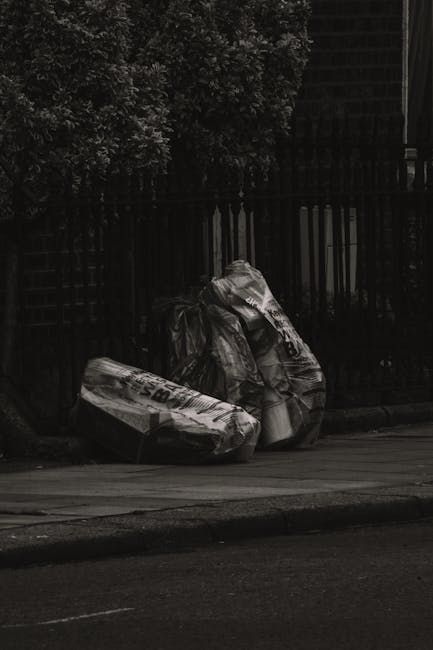
If you live, work, or manage property in this part of West London, rubbish rules can feel oddly specific at first. One bin out of place, a missed collection, a sofa left on the pavement a day too early, and suddenly you are dealing with complaints, fines, or a very awkward neighbourly stare. This guide gives you Hammersmith and Fulham council rubbish rules explained in plain English, with the practical bits that actually matter day to day.
We will look at what the rules are trying to achieve, how collections usually work, what you can and cannot leave out, and how to avoid the common mistakes people make when clearing homes, flats, gardens, garages, or offices. If you only want the short version: sort your waste properly, present it the right way, and never assume bulky items can be dumped outside whenever it suits you. Easy to say, sometimes less easy in real life.
Why Hammersmith and Fulham council rubbish rules explained Matters
Rubbish rules are not just about keeping the street tidy, although that is part of it. In a busy borough like Hammersmith and Fulham, waste management has a direct effect on public health, estate appearance, pest control, access on narrow roads, and how smoothly collections run for everyone else on the street. If one household leaves bags where they should not be, the impact can be surprisingly wide.
There is also a simple practical reason to pay attention: rubbish that is presented incorrectly is more likely to be left behind. That means extra hassle, extra storage indoors, and sometimes extra costs if you need a private clearance at short notice. For flats especially, where stairwells, shared entrances, and limited bin storage are all part of everyday life, it pays to know the basics before the pile starts growing.
Truth be told, many problems begin with assumptions. Someone thinks "it's only one mattress" or "the recycling bin can take a bit more cardboard", and then the whole arrangement falls apart. Councils tend to work to set collection routines and local rules for good reason. The aim is consistency. The moment everyone improvises, the system gets messy fast.
Expert summary: The safest approach is simple: separate waste by type, keep presentation neat, check what counts as bulky or hazardous, and arrange the right removal method before the item becomes a doorstep problem.
How Hammersmith and Fulham council rubbish rules explained Works
At a practical level, the borough's rubbish rules usually revolve around three things: what you are throwing away, how it should be prepared, and where and when it should be placed for collection. That sounds straightforward, but it helps to break it down.
1) General household waste
General rubbish is the non-recyclable residue from normal living: food-contaminated packaging, broken items that cannot be recycled locally, and everyday waste that does not belong in paper, mixed recycling, or garden bins. It should usually be bagged neatly and placed where collections expect it, not scattered, overfilled, or left loose.
2) Recycling
Recycling is where a lot of mistakes happen. People often put items in because they look recyclable, not because they are accepted locally. That is a bad habit, to be fair. Clean cardboard, paper, and certain containers are commonly fine in the right stream, but contaminated items, loose plastic films, and mixed materials may not be accepted. Flattening boxes helps. Rinsing food containers, when sensible, helps too.
3) Food waste
If your property has a food waste collection arrangement, the key is separation. Food scraps do not belong in general waste if a dedicated food caddy is provided. Keeping food waste separate reduces smells, stops pests, and makes the whole system cleaner. A kitchen caddy liner can make a huge difference on a warm afternoon, especially in summer when smells start kicking off by lunchtime.
4) Garden waste
Garden waste is usually treated differently from household rubbish. Grass cuttings, hedge trimmings, branches, and leaves can often be collected separately, but not if they are mixed with rubble, soil, broken pots, or general junk. A few leaves are fine. A bin packed with soil and old fencing is another matter entirely.
5) Bulky waste and special items
Items like wardrobes, sofas, mattresses, fridges, washing machines, and office furniture usually need a separate bulky waste or specialist clearance route. This is where the rules matter most, because large items block pavements, create trip hazards, and may contain materials that need careful handling. If you are dealing with a larger clear-out, a service such as house clearance or flat clearance can be far less stressful than trying to break everything down yourself.
6) Trade and builder's waste
Construction debris, packaging from refurbishments, plasterboard, tiles, timber, and mixed site waste should not be left out with ordinary domestic rubbish. That is a common frustration for councils and neighbours alike. If you are carrying out a small renovation, it may be more appropriate to use a dedicated builders waste service rather than treating it like household rubbish.
Key Benefits and Practical Advantages
Following local rubbish rules is not just about avoiding a problem. There are real advantages, and they show up quickly once you get the routine right.
- Cleaner shared spaces: less overflow, fewer smells, and a better-looking street or estate.
- Lower pest risk: properly contained waste is less attractive to mice, foxes, and insects.
- Fewer missed collections: waste presented correctly is more likely to be taken first time.
- Less stress in flats: shared bin stores and communal entrances stay usable.
- Better recycling performance: cleaner sorting means less contamination.
- Reduced chance of complaints: especially important for landlords, letting agents, and managing agents.
- More predictable costs: when waste is organised, private removals and emergency clearances are easier to control.
There is a quieter benefit too. Once you get used to the rhythm of local waste management, everything else becomes easier. You stop storing bags for "just one more day". You stop cramming things into the wrong bin. You stop having that mild panic on collection morning. Nice little win, really.
Who This Is For and When It Makes Sense
This guide is useful if you are a homeowner, tenant, landlord, property manager, business owner, or simply someone who has inherited a lot of clutter and needs to deal with it properly. It is also helpful if you have just moved into the borough and the local system feels unfamiliar.
It makes particular sense in these situations:
- You are clearing a flat with limited storage and no spare room for bags.
- You are replacing furniture and need to dispose of old items responsibly.
- You have garden waste after a tidy-up and are not sure whether it can go in household bins.
- You are finishing a DIY job and have rubble, timber, or packaging to remove.
- You manage an office and need waste handled without disrupting staff or neighbours.
- You are preparing a property for sale, letting, or end-of-tenancy handover.
For many people, the trigger is not the daily bin routine. It is the moment a larger item appears and the usual system no longer fits. That is when a targeted service can help, whether it is furniture disposal, sofa removal, or a broader waste clearance approach.
Step-by-Step Guidance
If you want to stay on the right side of the rules without overthinking it, use this simple process.
- Identify the waste type. Separate general rubbish, recycling, food waste, garden waste, bulky items, and any trade waste.
- Check the condition of recyclables. If packaging is dirty, soaked, or mixed with food, it may need to go in general waste instead.
- Break down items where possible. Flatten cardboard, collapse boxes, and dismantle furniture only if it is safe to do so.
- Bag and contain waste neatly. Loose rubbish blows around and causes problems on collection day.
- Keep access clear. Do not block pavements, entrances, or shared paths.
- Place items out at the correct time. Early dumping is still dumping, even if it is only "for a few hours".
- Use the right route for bulky or specialist waste. If it is too large, too heavy, or potentially hazardous, arrange proper removal instead of guessing.
Here is a practical example. Imagine a family in Fulham replacing a sofa, two armchairs, and a battered coffee table after a move. The front room suddenly looks like a mini furniture depot. If they try to leave it out with general rubbish, it may be rejected or create a nuisance. If they plan ahead and book the right disposal method, the whole job is done in one visit, and the hallway stays clear. Small difference. Big relief.
If you are dealing with a bigger clear-out, a home clearance can be the simplest way to handle multiple item types in one go, especially where there is a mixture of furniture, bric-a-brac, and general waste.
Expert Tips for Better Results
The main trick is not to wait until waste becomes a crisis. A bit of organisation saves a surprising amount of time later. Here are a few habits that make a genuine difference.
- Keep one "maybe not" box. If you are unsure whether an item can be recycled or needs specialist disposal, set it aside and check later rather than mixing it in.
- Use smaller bags for heavier waste. Overfilled bags split at the worst possible moment.
- Store bulky items indoors only briefly. Doorways, communal hallways, and fire exits are not holding zones.
- Plan around collection days. A tidy property on Monday is easier to manage than a cluttered one on Friday evening.
- Do not mix clean streams with dirty ones. Contamination spreads fast once it starts.
- For businesses, keep waste predictable. A regular business waste arrangement is usually easier than relying on ad hoc clear-outs.
One thing people often overlook is access. A good clearance is not only about removal; it is about how smoothly the waste can actually leave the building. Narrow stairs, parking restrictions, lift access, and shared entrances all matter. In a busy part of West London, those details are often the difference between a quick job and a fraught one.
And yes, a bit of old-fashioned judgement helps. If a bag smells, leaks, or is too heavy to lift comfortably, it probably needs rethinking. Not glamorous, but that is the real world.
Common Mistakes to Avoid
Most rubbish-rule problems are not caused by bad intentions. They come from rushed decisions. The same few mistakes crop up again and again.
- Putting bulky items out too early. This can create obstruction and attract complaints.
- Mixing recycling with general waste. One contaminated bin can cause problems for the whole load.
- Leaving waste loose on pavements. Bags split, items blow away, and gulls or foxes get involved. Never ideal.
- Using household bins for trade waste. Builders' debris, shop waste, and office clear-out material often need separate handling.
- Ignoring the size and weight of the item. If you cannot move it safely, do not force the issue.
- Assuming every item can go in the same collection. It cannot. Not really.
- Forgetting landlord or lease rules. Flats and managed buildings sometimes have extra requirements on top of borough guidance.
Another common problem is storage. People keep items "just for now" in hallways, sheds, or garages, and by the time they are ready to act, the clutter has become a route blocker. If you are in that situation, a focused garage clearance or full property clearance may be the fastest reset.
Tools, Resources and Recommendations
You do not need fancy tools to handle rubbish well, but a few simple things make the process much easier.
- Sturdy bin bags: especially useful for heavy mixed waste or sharp packing material.
- Marker pen or labels: handy for separating "recycling", "reuse", and "bin" piles.
- Gloves: useful when sorting garages, gardens, or old storage areas.
- Flat-pack tools: a screwdriver, Allen keys, and a utility knife can help with dismantling larger items safely.
- Cleaning cloths and a brush: useful after moving dusty items or clearing a bin store.
For people who want the job handled more quickly, the most useful services are usually the ones that match the type of waste rather than the room it came from. For example, rubbish removal works well for mixed household waste, while rubbish collection is a good fit when you need straightforward pickup without a large-scale clear-out. If you need disposal after a refurbishment, builders waste is the more relevant route.
Where it is appropriate, look at whether you need a one-off pickup or a fuller service. A one-off bin-day fix is not the same as clearing an entire property, and pretending they are the same usually backfires.
Law, Compliance, Standards, or Best Practice
The core principle behind local rubbish rules is simple: waste should be managed safely, responsibly, and without causing a nuisance or obstruction. In the UK, households and businesses are generally expected to separate waste sensibly, avoid fly-tipping, and use authorised disposal routes for larger or controlled items. Exact council procedures can vary, so it is always wise to check the borough's current arrangements if you are unsure.
Best practice usually means:
- keeping waste in the correct containers or bags
- not placing rubbish out in ways that obstruct footpaths or access routes
- sorting recyclable material cleanly
- using a proper route for hazardous or awkward waste
- keeping evidence of responsible disposal for business or landlord records where needed
If you are a landlord or managing agent, the standard of care is even higher in practice. Communal bin stores, end-of-tenancy clearances, and abandoned furniture can trigger complaints quickly. A neat, documented process is far better than a last-minute scramble. That is where a planned clearance service can support compliance and reduce friction.
For a bit of plain English: if an item is large, messy, heavy, or potentially troublesome, do not assume the normal bin system can cope. It probably cannot. And if you are unsure, err on the side of caution. That is usually the safer professional habit.
Options, Methods, or Comparison Table
Different waste situations call for different methods. Here is a simple comparison that helps when you are deciding what to do next.
| Method | Best for | Strengths | Limitations |
|---|---|---|---|
| Regular council bin collection | Day-to-day household waste and approved recycling | Simple, routine, cost-effective | Not suitable for bulky items or mixed clear-outs |
| Bulky waste clearance | Furniture, mattresses, large appliances, awkward items | Removes big items safely and quickly | May need booking and preparation |
| Property clearance | Homes, flats, garages, lofts, estate clearances | Handles mixed waste in one visit | More involved than a standard collection |
| Trade waste arrangement | Builders, offices, shops, and mixed business waste | Better for regular or specialist waste streams | Needs the right setup and separation |
For example, if you are clearing a small office in Hammersmith after a reorganisation, a simple bin collection will not be enough. A tailored office clearance is much more realistic, because it deals with furniture, files, packaging, and general waste together. On the other hand, if you just need an old chair gone, a more targeted furniture disposal route may be perfectly adequate.
Case Study or Real-World Example
Let's take a realistic scenario from a typical West London rental flat. A tenant in Brook Green is moving out at short notice. There is a broken bed frame in the bedroom, two bags of general rubbish, some cardboard from deliveries, and an old sofa in the living room. The hallway is narrow, neighbours are in and out, and the property needs to be handed back clean by the weekend.
If they try to manage everything through the standard bin system, the sofa becomes the problem. It will not fit, and even if it did, it should not be dumped casually beside the bins. The cardboard may be recyclable if it is clean and flattened. The general rubbish needs bagging properly. The bed frame should be separated and removed safely. At that point, a coordinated plan beats improvisation every time.
In a case like this, a mixed approach works best: tidy the small waste first, then arrange a specific removal route for the sofa and frame. That might mean sofa removal for the big item and a broader rubbish clearance for the rest. The result is calmer, quicker, and a lot less embarrassing for the tenant. Which, let's face it, matters when the inventory checkout is looming.
What makes this kind of example useful is not the exact items. It is the pattern. Once waste stops fitting the normal household routine, you need a planned disposal route rather than a hopeful guess.
Practical Checklist
Use this quick checklist before you set anything out or book a removal.
- Have I separated general rubbish from recycling?
- Is any food waste in the correct container?
- Have I kept bulky items away from pavements and shared entrances?
- Do any items need special handling because of size, weight, or condition?
- Have I flattened boxes and reduced volume where safe?
- Is there any trade, garden, or builders' waste mixed in?
- Do I need a clearance service rather than a standard bin collection?
- Have I checked the building rules if I live in a flat or managed block?
- Will the waste be easy to collect without causing a nuisance?
- Have I planned the timing so nothing is left out too early?
If you can tick most of those off, you are already doing better than many people do on a busy weekday morning. Not perfect, maybe. But practical, and that counts.
Conclusion
Once you understand the basics, Hammersmith and Fulham council rubbish rules are much less intimidating. The main job is to sort waste properly, present it neatly, and choose the right disposal route for anything bulky, messy, or unusual. That keeps the street cleaner, the bins usable, and the whole process far less stressful.
For everyday living, a bit of care is enough. For bigger clear-outs, don't force everything through the same system. That is usually where people get stuck. Use the right route, plan ahead, and keep things simple. In a busy borough, simple is often the smartest move.
If you are facing a household, flat, garage, garden, or office clear-out and want it handled properly, it is worth choosing a service that fits the job rather than patching things together last minute.
Get a free quote today and see how much you can save.
And if you are still staring at a pile of bags by the door, that is alright. Take it one step at a time, and the whole thing becomes manageable again.
Frequently Asked Questions
What are the main Hammersmith and Fulham rubbish rules I should know first?
The main rules are to separate waste correctly, use the right bin or collection stream, avoid leaving items out too early, and not place bulky waste on the pavement without an approved removal route.
Can I put a sofa out with my normal rubbish?
No, not usually. Sofas are bulky items and normally need a separate disposal method. A dedicated sofa removal or bulky waste collection is the safer option.
What should I do with cardboard boxes after a move?
Flatten them, keep them dry if possible, and place them in the correct recycling stream if they are clean and accepted. If they are food-stained or soaked, they may need to go in general waste instead.
Are garden clippings treated the same as household rubbish?
No. Garden waste is usually handled separately from general household waste. Grass cuttings, leaves, and branches are typically fine in a garden waste stream, but not mixed with soil, rubble, or other junk.
What counts as bulky waste?
Bulky waste usually means large items such as sofas, wardrobes, mattresses, beds, and white goods. If it is too large to fit in a standard bin and awkward to move, treat it as bulky.
Do flats have different rubbish rules?
Often yes, in practice. Flats may have communal bin stores, access restrictions, and managing-agent rules on top of borough guidance. It is worth checking building-specific arrangements before putting items out.
Can I leave rubbish beside the bins if they are full?
Usually not a good idea. Loose bags beside bins can attract pests, create mess, and may be treated as fly-tipping or improper presentation. If bins are full repeatedly, a better solution may be needed.
What should businesses do with their waste?
Businesses should keep their waste streams organised and use an appropriate arrangement for office, shop, or trade waste. A business waste service is often more suitable than standard domestic disposal.
Is it worth booking a full property clearance instead of doing it myself?
If you have multiple item types, limited time, stairs, or large furniture, yes, it often is. A house clearance or home clearance can save a lot of back-and-forth.
What is the biggest mistake people make with rubbish disposal?
The biggest mistake is mixing waste types and assuming the council collection will handle everything. Once the waste is not clearly sorted, the job gets harder, not easier.
How do I know whether I need rubbish removal or waste collection?
If you just need a straightforward pickup of household waste, rubbish collection may be enough. If the load is mixed, larger, or requires more handling, rubbish removal is often the better fit.
What if I am clearing builders' debris after DIY work?
Mixed debris, tiles, plasterboard, timber, and renovation packaging are better handled through a specific builders waste route rather than ordinary household disposal.
Can you help with garage or shed clear-outs too?
Yes, that kind of job is often exactly where a specialist clearance helps. A garage clearance is useful when the issue is old storage, broken tools, boxes, and items that have quietly multiplied over the years.